
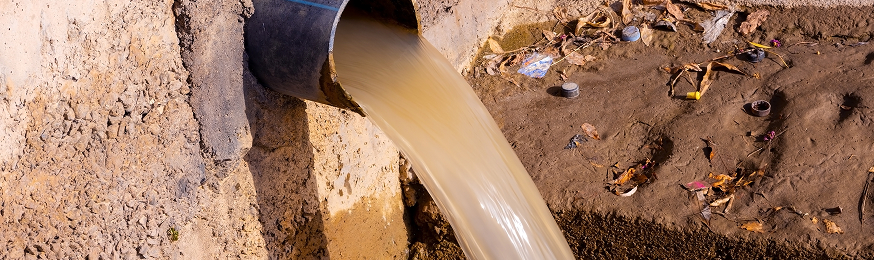
Are you or a loved one suffering due to contaminated water, air, or land? When industrial toxins harm our environment, tens of thousands of people can be negatively impacted. They may develop complex health issues such as cancer and respiratory failure, or incur property damage, diminished property value, and the need for costly restoration.
If you’ve been affected, you could be entitled to significant compensation. However, recovery is difficult when going up against large, deep-pocketed corporations like Monsanto and Dow. Further, environmental litigation is complex. These cases involve federal, state, and local laws that overlap — and sometimes conflict — with one another.
The Driscoll Firm, P.C., has recovered nearly $2 billion for thousands of individual citizens and public entities in high-profile environmental law and toxic mass tort cases in Illinois, Missouri, and across the U.S. Since 2008, our law firm has stood tall for those who have suffered losses due to large businesses that pollute our environment. We demand accountability, and our track record of success proves we know how to get it.
Contact us today for your free, no-obligation consultation with an environmental litigation lawyer to learn about your legal options. Your case review is fully confidential, and you pay nothing unless we successfully resolve your claim.
What Is Environmental Toxic Exposure?
Environmental toxic exposure happens when humans and animals come into contact with harmful pollutants, chemicals, or substances through inhalation or skin contact. Such exposure typically comes from the following:
- Medical expenses
- Air pollution
- Water pollution
- Toxic waste dumping
- Asbestos
- Chemical spills
- Oil spills
- Marine and ocean discharges
- Solid waste dumping
- Heavy metal contamination
- Carbon monoxide poisoning
- Lead poisoning
What Are the Health Risks of Environmental Toxic Exposure?
Extended or high-level exposure to environmental toxins typically results in severe health issues, such as the following:
- Cancer, including mesothelioma, non-Hodgkin lymphoma, liver cancer, leukemia, respiratory cancer, and pancreatic cancer
- Respiratory conditions, such as asthma, lung damage, and chronic bronchitis
- Neurological disorders, including cognitive decline, memory loss, and developmental delays
- Birth defects and reproductive issues, such as low birth weight, preterm birth, heart defects, and spina bifida
- Kidney and liver damage, including renal tubular acidosis, hypokalemia, and elevated serum activity of liver enzymes
Who Is Eligible to File an Environmental Lawsuit?
- Individuals who are personally affected by environmental harm can file a lawsuit, such as someone who develops an illness from PCBs or PFAS in their drinking water.
- Organizations and communities can sue to address environmental violations that affect their members or mission.
- Governmental entities, such as local or statewide, can bring lawsuits against companies or other government agencies for environmental violations.
What Are the Advantages of Class-Action Environmental Lawsuits?
While individuals may pursue a toxic exposure lawsuit on their own, environmental litigation for the most part uses class-action lawsuits. There are instances where individual claims are consolidated into a single lawsuit, and there are several advantages in doing so, such as the following:
- Cost-sharing – Plaintiffs can share the high costs of litigation, such as expert witnesses and legal fees, making it financially feasible for individuals with small claims to band together and sue.
- Access to Justice – Class actions offer a way for many affected people to seek relief when their individual claims might otherwise be too small or too risky to pursue on their own.
- Efficiency – By consolidating numerous similar claims into one case, the legal process becomes more streamlined and efficient for both the court and the plaintiffs.
- Holding Defendants Accountable – A class action gives a large group of people a unified and powerful way to hold a corporation or governmental entity accountable for widespread environmental harm.
- Greater Financial Impact – The collective strength of a class action can lead to larger verdicts or settlements than individual lawsuits could, including levying punitive damages against the defendant.
- Deters Future Harm – The threat or outcome of a large class-action lawsuit can send a message to the defendant, as well as to other companies, that similar wrongful conduct will not be tolerated.
What Are Common Environmental Lawsuits?
Polychlorinated Biphenyls (PCBs)
Polychlorinated biphenyls (PCBs) are manmade chemicals leach from soil into groundwater and the air, which in turn contaminates humans, fish, and animals. Monsanto Co. had been developing and using PCBs for nearly 50 years, mostly in industrial and commercial applications, until the Toxic Substances Control Act (TSCA) banned PCBs due to widespread reports of cancers and damage to immune, reproductive, nervous, and endocrine systems. There are several national class-action PCB lawsuits against Monsanto (now a subsidiary of Bayer), with the company agreeing to settle claims across 13 states for $550 million. Monsanto is also the subject of thousands of lawsuits alleging it knowingly sold toxic products while concealing their environmental risks
Perfluoroalkyl and Polyfluoroalkyl Substances (PFAS)
Perfluoroalkyl and polyfluoroalkyl substances (PFAS) are manmade chemicals used since the 1940s. Their oil-, heat, and water-resistant properties worked well for products such as nonstick cookware, food packaging, and firefighting foams (in particular, aqueous film-forming foam, or AFFF). However, these “forever chemicals” persist in human bodies and the environment because of their strong carbon-fluorine bonds, making them difficult to break down and leading to air, water, and soil contamination. Health concerns associated with PFAS exposure include links to certain cancers, immune system and thyroid changes, and developmental issues. PFAS lawsuits accuse 3M, DuPont, The Chemours Company, and other corporations of knowing about the dangers of PFAS but concealing them from the public while continuing to produce and market products.
Camp Lejeune
These lawsuits concern a 34-year water contamination at Marine Corps Base Camp Lejeune and Marine Corps Air Station New River in North Carolina. The exposure caused adult leukemia, kidney and liver cancer, multiple myeloma, non-Hodgkin’s lymphoma, Parkinson’s disease, and birth defects. The Camp Lejeune Justice Act of 2022 allows claimants who have lived or worked at Camp Lejeune during the affected period to file a claim against the U.S. government for health issues caused by the exposure. There are no class-action lawsuits for this matter; individuals must file their own lawsuits. As of November 2025, over 3,600 lawsuits have been filed and 400,000-plus administrative claims submitted.
TCP Water Contamination
These lawsuits involve claims against chemical companies, primarily Dow Chemical Co. and Shell Oil Co., for allegedly contaminating groundwater with the carcinogenic chemical TCP (1,2,3-trichloropropane). Soil fumigants sold to farmers from the 1940s to the 1980s contained the substance, which was later considered an unnecessary impurity and one that does not break down easily. It has been detected in hundreds of water wells across California, particularly in areas where the fumigants were used. Many lawsuits have been filed by water suppliers and municipalities against Dow, Shell, and other corporations. Litigation is ongoing, though Fresno agreed to a $230 million settlement and Clovis won a $22 million judgment.
What Compensation Could I Be Eligible for in an Environmental Lawsuit?
Victims of toxic exposure may be eligible to receive compensation, depending on the circumstances of their case and the severity of their injuries. Compensation may cover the following:
- Medical expenses
- Lost wages
- Loss of earning potential
- Decreases in property values
- Disability and impairment
- Lost business profits
- Evacuation and relocation expenses
- Pain and suffering
- Emotional distress
- Loss of consortium
- Property damage
If your loved one died due to toxic exposure, our law firm can support you in filing a wrongful death lawsuit to demand justice and financial security for your family.
Additionally, there are instances in which a judge may award punitive damages to the plaintiffs in an environmental lawsuit. This award is designed to punish the large-scale industry or other wrongdoer on trial for their reckless, egregious behavior, as well as send a message to others that such behavior won’t be tolerated.
What Are the Requirements for Filing an Environmental Lawsuit?
The following are the three requisites that a plaintiff (whether an individual, class of individuals, organization, or government entity) must meet when filing an environmental lawsuit against a defendant (such as a corporation or governmental agency):
- Legal Standing – The plaintiff must prove they have suffered a concrete and particularized injury that is “actual or imminent.”
- Causal Connection – The injury must be fairly traceable to the defendant’s actions.
- Likely to Be Redressed – The matter must be one that a favorable court decision can fix.
There are instances where a 60-day notice letter (a Notice of Intent) must be sent to the alleged polluter and relevant government agencies before a lawsuit can be filed. To determine whether your potential lawsuit would need a Notice of Intent, or whether you meet the three requirements, contact an environmental litigation attorney for a free case review.
Contact an Environmental Litigation Attorney Today
Time is of the essence in environmental law and toxic exposure litigation. Contact the environmental lawsuit lawyers at The Driscoll Firm, P.C., today to learn more about your options for pursuing compensation. Your initial consultation is free, fully confidential, and without obligation.